fundamental of HCI
Perception
This vary between the developer and the user. Some users will not be aware of the good detail in a GUI like the importance of the colour or the positioning of the GUI on the desktop.Another problem is the developer may not be the same person as the designer or the person who interviews the client.

Colour

luminance
The three colours if the trichromatic system are detected by three different types of cells on the retina of the eye and they are known as receptors. The signals the receptors generate are believed to be red-green, yellow-blue, and black-white signals. They are called opponent colour channels because they relay information about opposite colours.

pop out effect
The pop out effect is to put simply, a technique used to trick the eyes in order to make a specific item on a page stick out and become more obvious. This technique is mostly used to ensure the end user will pay attention to a key element of the interface.

objects
Objects are the building blocks of an interface. The objects are used to create individual components of the interface such as the menu. A menu would be a component of the interface, the menu list items would be the objects and the actual information would be what the object points you to.

Predictive models
The definition of predictive models is about an equation or calculations to forecast an event. In addition, this will prove guidance when designing interface. this model is used when creating a new input devise. consideration should be given to whether or not the interface will responsive to time or shut down if a command takes too long.

Keystroke-level models
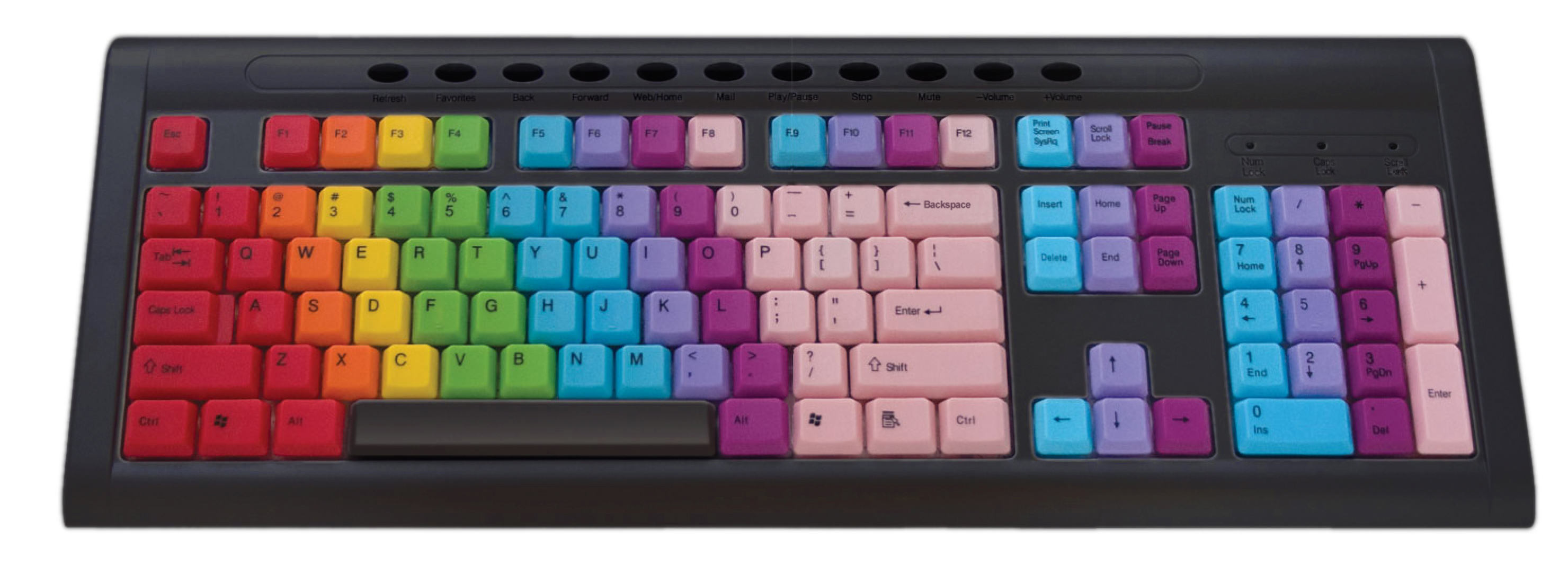
In this slide I will be describing the definition of keystroke-level models. in addition, this recognises low level actions and it breaks it section in sequences of operation, such as hitting keys on the keyboard.
Throughput
The definition of throughput is that it relates to the productivity of the computer. in addition, its technically called the repose time. This measures include the amount or speed of processing in response to a command.

Fitts law
Fitts law is a method for calculating throughput in advance for any system design by predicting human movement and motion based on time and distance and it is called psychomotor behaviour.

descriptive models
This section explains three descriptive models.
They key action model
This identifies the need to evaluate how the user will expect the computer to behave or react to and how it may be different from how the computer actually reacts to command. For example when some is new to computer the may find hard to log in because they don't know were to but the user name or password.
Buxton three state model
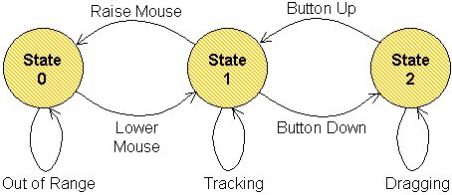
This model identifies the relative ease of using a mouse compared to touch board. This can depend on the regularity of use. For example someone who uses touch pad frequently will argue that is easer and faster to use than a mouse because it requires taking your hand away from the computer.
Guards model of bimanual skill
This preferred method of interacting with the computer and input. devises. For example when designing an interface you must consider the ease of use and you should not rely on the user always inputting data or mouse using a preferred hand.